
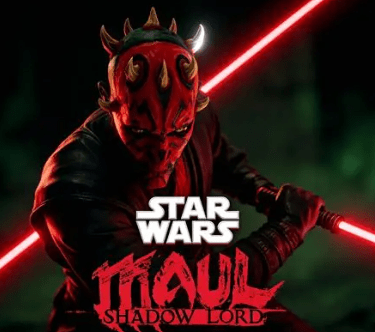
After the slow-burn intrigue of its premiere, Maul: The Shadow Lord wastes no time pulling us deep into its dark, calculated world. Now that spoilers are on the table – it’s worth saying upfront: these first two episodes don’t just set the tone, they quietly reveal the core of what this series is really about – control, identity, and the cost of power.
Episode 1: A Ghost Reclaims His Place
The opening episode does something bold – it treats Maul less like a returning villain and more like a myth stepping back into reality. His re-emergence isn’t loud or explosive; it’s controlled, almost surgical. That early sequence where he observes from the shadows before striking sets the tone perfectly. This isn’t the rage-driven figure we’ve seen before – this is someone who has learned patience.
What really stands out is how the episode frames his ambition. Rather than diving straight into conquest, we see him rebuilding – testing loyalties, probing weaknesses, and reasserting dominance piece by piece. The moment where he confronts the local crime faction leader is especially telling: he doesn’t just defeat him physically, he dismantles him psychologically. It’s not about victory – it’s about sending a message.
The episode ends on a quiet but chilling note, with Maul essentially positioning himself as a hidden power rather than an overt threat. It’s a reminder that his greatest weapon isn’t his strength – it’s his ability to wait.
Episode 2: Power, Loyalty, and Control
If Episode 1 is about re-establishment, Episode 2 is about expansion – and it’s where things get even more interesting. The introduction of rival factions adds complexity, but more importantly, it shows how fragile Maul’s growing influence actually is.
One of the most compelling elements here is how the show handles loyalty. The interactions between Maul and his followers are tense, almost transactional. There’s no illusion of trust – only usefulness. That scene where a subordinate hesitates, and Maul immediately senses it, is a perfect example. He doesn’t react with anger – he responds with precision, reminding everyone exactly where they stand.
The biggest reveal, though, is how strategic Maul’s vision really is. He’s not just building power for the sake of it – he’s constructing something larger, something systemic. The hints about his broader plan (especially in that final sequence) suggest he’s thinking far beyond the immediate conflicts.
And then there’s that ending. Instead of a dramatic cliffhanger, we get something more unsettling: a sense that everything is unfolding exactly as Maul intends. It reframes the events of both episodes – not as struggles, but as steps in a carefully orchestrated design.
What These Episodes Get Right
What makes these episodes work so well is restraint. The show doesn’t rush into spectacle or over-explanation. Instead, it trusts the audience to sit in the tension, to read between the lines, and to appreciate the subtle shifts in power.
Maul himself is the centerpiece, and the series leans into that fully. He’s not portrayed as chaotic or impulsive – instead, he’s focused, deliberate, and quietly terrifying. Every action feels intentional, and every scene adds another layer to his character.
Final Thoughts
By the end of Episode 2, it’s clear that Maul: The Shadow Lord isn’t telling a simple rise-to-power story. It’s exploring what it means to rebuild yourself after being broken – and what you’re willing to sacrifice to do it.
If you came in expecting nonstop action, these episodes might feel slow. But if you’re here for atmosphere, character depth, and a story that plays the long game, it’s already delivering in a big way.
And honestly? Knowing that everything so far might just be the beginning of Maul’s plan makes it even more exciting – and a little unsettling.


Leave a Reply