
For decades, Donald Duck has remained one of the most recognizable and beloved characters in Disney history. While characters like Mickey Mouse often represent the cheerful side of Disney, Donald became famous for something completely different — his temper, frustration, and hilarious bad luck. Over the years, that personality helped transform him from a simple cartoon sidekick into a worldwide pop culture icon.
Donald Duck first appeared in 1934 in the animated short The Wise Little Hen. At the time, nobody could have predicted how important the character would become for The Walt Disney Company. His sailor outfit, unique voice, and explosive reactions instantly made him stand out from other animated characters of the era.
Unlike many cartoon heroes who always stayed calm and perfect, Donald felt relatable. He lost his patience, made mistakes, and often struggled with everyday problems. That realism gave audiences a character they could laugh at while also understanding on a personal level.
During the late 1930s and 1940s, Donald’s popularity exploded through animated shorts. Many of these cartoons focused on his constant battles against bad luck, whether he was dealing with difficult jobs, annoying neighbors, or impossible situations. His exaggerated anger became his trademark, and fans loved watching chaos follow him everywhere he went.
As animation evolved, Donald’s character also became more layered. He was no longer just the “angry duck.” Stories began showing his loyalty to family, especially his relationship with his nephews Huey, Dewey, and Louie. These moments added warmth beneath his comedic frustration and helped audiences connect with him emotionally.
Donald also became a huge international success. In countries across Europe and South America, Disney comics featuring Donald Duck became incredibly popular. Many readers even viewed him as more relatable than Mickey Mouse because he represented ordinary people trying to survive life’s constant problems.
Another major part of Donald’s evolution came through television and modern animation. Shows like DuckTales introduced Donald to a new generation while expanding his personality even further. Instead of being used only for comedy, newer stories explored his protective nature, bravery, and deep care for his family.
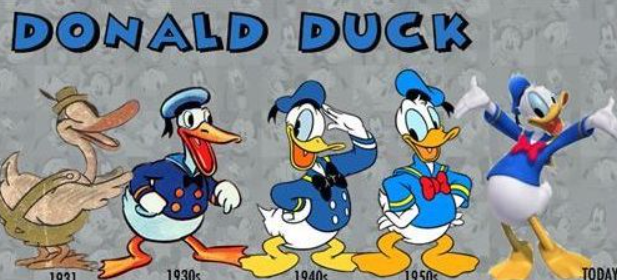
Visually, Donald Duck has changed throughout the decades as animation technology improved. Early versions of the character looked rougher and more exaggerated, while modern versions appear smoother and more expressive. Despite these updates, Disney has carefully preserved the classic personality traits that made Donald famous in the first place.
What makes Donald Duck timeless is his humanity beneath the feathers. He gets angry, fails often, and struggles constantly, yet he never gives up completely. That combination of humor, emotion, and determination is why audiences continue to love him nearly a century after his debut.
From black-and-white cartoons to modern animated adventures, Donald Duck’s evolution proves that imperfect characters are often the most memorable of all.


Leave a Reply